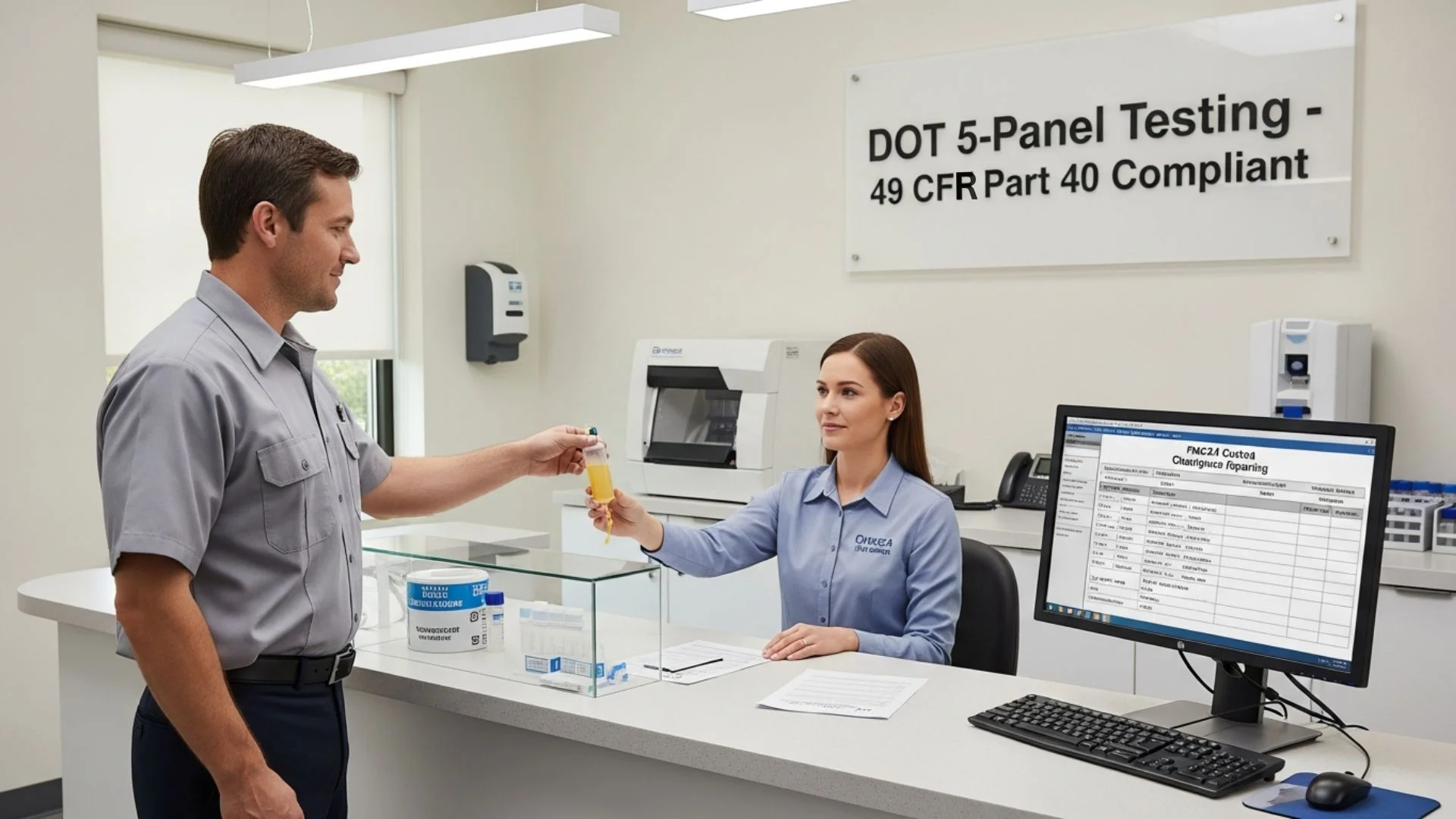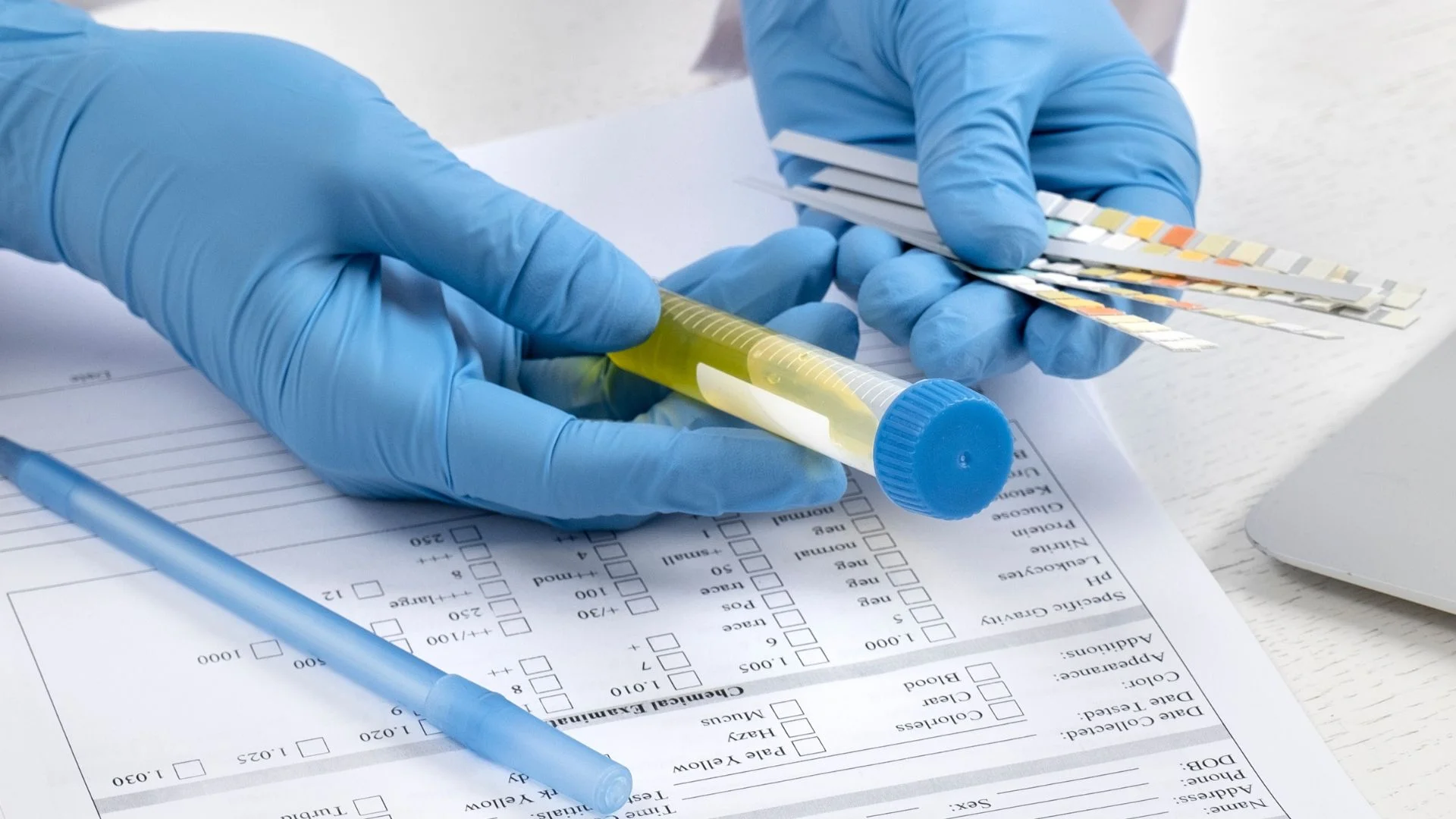
This is an informational blog designed to help employers, CDL drivers, and safety-sensitive employees understand how to interpret drug test results accurately under Department of Transportation (DOT) regulations.
If you work in the transportation industry or manage a DOT-regulated workforce, drug testing is not optional it's a federal requirement. Agencies such as the Federal Motor Carrier Safety Administration (FMCSA) enforce strict drug and alcohol testing standards to ensure public safety. However, understanding drug screening results can be technical and confusing without proper guidance. This comprehensive guide explains how to read drug test results, understand cutoff levels, interpret positive and negative findings, and remain compliant with DOT drug testing regulations. Understanding the difference between DOT and non-DOT drug testing along with how to read results, cutoff levels, and compliance requirements is essential for all covered employers and employees.
Why Understanding Drug Test Results Matters
For employers, accurate interpretation of drug testing results protects:
- Workplace safety learn why every workplace needs a drug testing program
- DOT compliance status
- Company reputation
- Legal liability exposure
For employees and CDL drivers, understanding your results helps you:
- Know your rights
- Avoid misunderstandings about common drug testing myths
- Prepare for next steps if needed
Incorrect interpretation can lead to compliance violations, wrongful disciplinary action, or delays in employment eligibility.
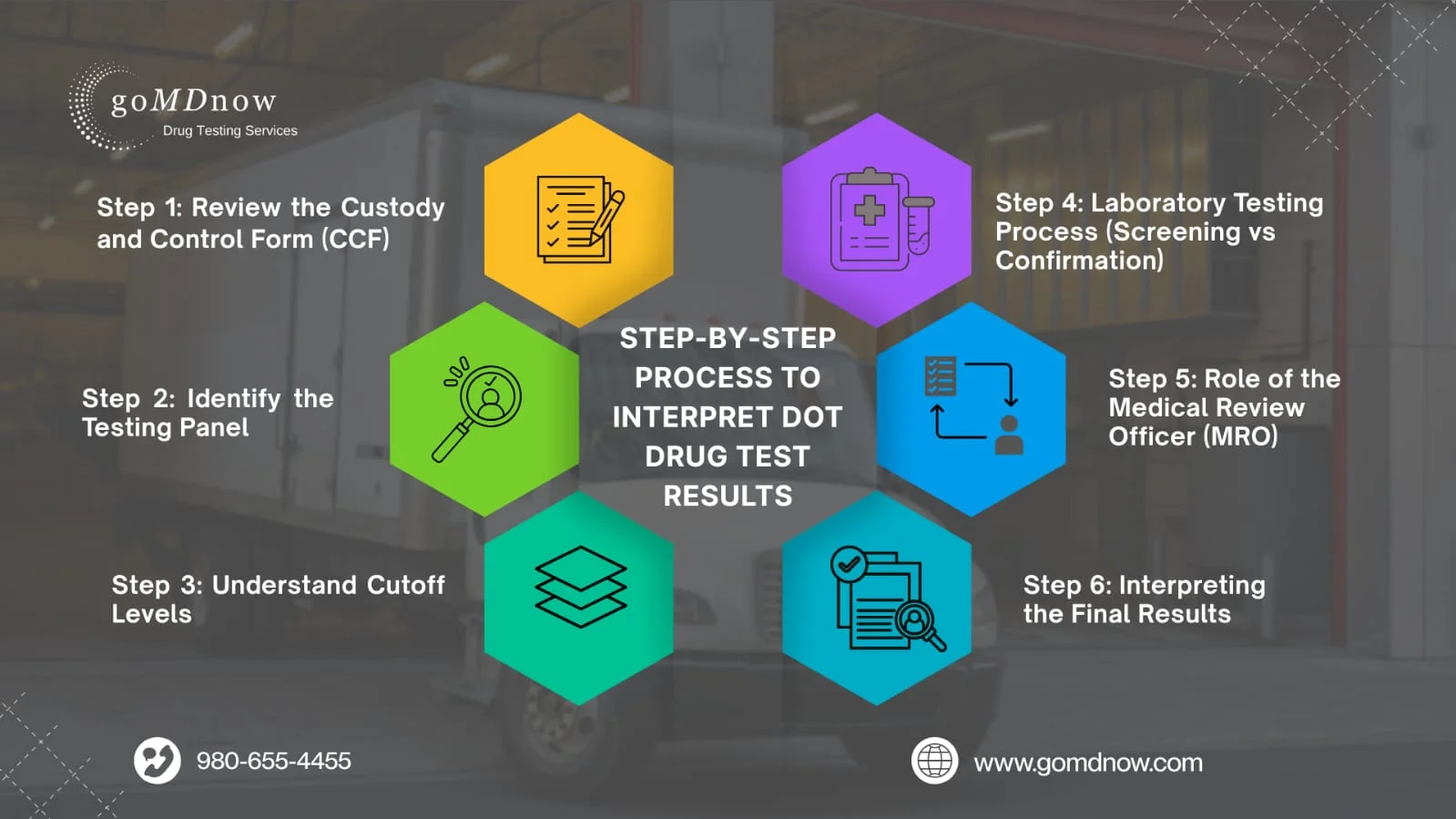
Step 1: Review the Custody and Control Form (CCF)
The Custody and Control Form (CCF) is a legally binding document that tracks your urine specimen from collection to laboratory analysis. It ensures the integrity of the DOT chain of custody in drug testing process.
What to Verify on the CCF:
- Full legal name
- Social Security or employee ID number
- Date and time of collection
- Type of test (pre-employment, random, post-accident, return-to-duty, etc.)
- Collector and laboratory details
- Any mismatch in personal information could delay results or create compliance concerns.
Step 2: Identify the Testing Panel
DOT-regulated drug tests typically follow a 5-panel drug test format. In some non-DOT programs, a 10-panel test may be used. The specific testing panel should be listed on the CCF or laboratory report. Understanding which substances are included prevents confusion when reviewing results.
Standard DOT 5-Panel Drug Test Includes:
- Marijuana (THC metabolites) see how long marijuana stays in your system
- Cocaine what to know about cocaine drug testing
- Amphetamines (including methamphetamine) what AMP means on a drug test
- Opioids (codeine, morphine, heroin, oxycodone, hydrocodone) including expanded opioid panels in some cases
- Phencyclidine (PCP) what you need to know about PCP testing
Step 3: Understand Cutoff Levels
One of the most critical aspects of interpreting drug test results is understanding cutoff levels.
What Are Cutoff Levels?
Cutoff levels are the minimum concentration of a drug or its metabolite that must be present in the urine sample for the result to be reported as positive. Review the standard cutoff levels used in DOT drug testing to better understand how results are determined.
For example:
- Marijuana (initial screen): 50 ng/mL
- Marijuana (confirmatory test): 15 ng/mL
If the drug concentration is below the cutoff level, the result is reported as negative. If it is above the cutoff, the result is positive. DOT-certified laboratories follow strict guidelines established by the Substance Abuse and Mental Health Services Administration (SAMHSA) one reason choosing a SAMHSA-certified lab matters for accurate and legally defensible results.
Why Cutoff Levels Exist:
- Prevent false positives discover the top reasons for false positive drug test results
- Avoid penalizing trace environmental exposure for example, secondhand smoke exposure
- Standardize national testing criteria
Step 4: Laboratory Testing Process (Screening vs Confirmation)
Drug testing typically occurs in two phases:
1. Initial Screening Test
An immunoassay screening identifies potential positive samples. This is considered point-of-collection testing (POCT) when done on-site.
2. Confirmatory Test
If the initial test is positive, a Gas Chromatography/Mass Spectrometry (GC/MS) test confirms the result with high specificity. This is the key distinction in a lab-based test vs. rapid drug test.
A result is only reported as positive after confirmatory testing. This two-step process ensures accuracy and legal defensibility. Understanding how long it takes to get drug test results can help both employers and employees plan accordingly.
Step 5: Role of the Medical Review Officer (MRO)
A Medical Review Officer (MRO) is a licensed physician trained in interpreting DOT drug test results. Understanding the MRO's role in drug testing is critical for anyone involved in the DOT compliance process.
Before a positive result is reported to the employer:
- The MRO contacts the employee
- Verifies prescriptions an important step since prescription drug use can affect test results
- Reviews legitimate medical explanations
If there is a valid prescription consistent with the detected substance, the result may be verified as negative. This safeguards employees against improper reporting. Results are also subject to review for dilute specimens, which can trigger additional testing requirements.
Step 6: Interpreting the Final Results
Drug test results are typically categorized as:
-
Negative
No drugs detected above cutoff levels. -
Positive
Drug or metabolite detected above cutoff levels understand what happens if you fail a DOT test. -
Refusal to Test
Failure to comply with testing procedures (treated as positive under DOT regulations) read about the consequences of refusing a drug test. -
Invalid or Rejected
Sample could not be tested due to adulteration, dilution, or technical error may involve shy bladder protocols or recollection.
The final verified result comes from the MRO not directly from the lab.
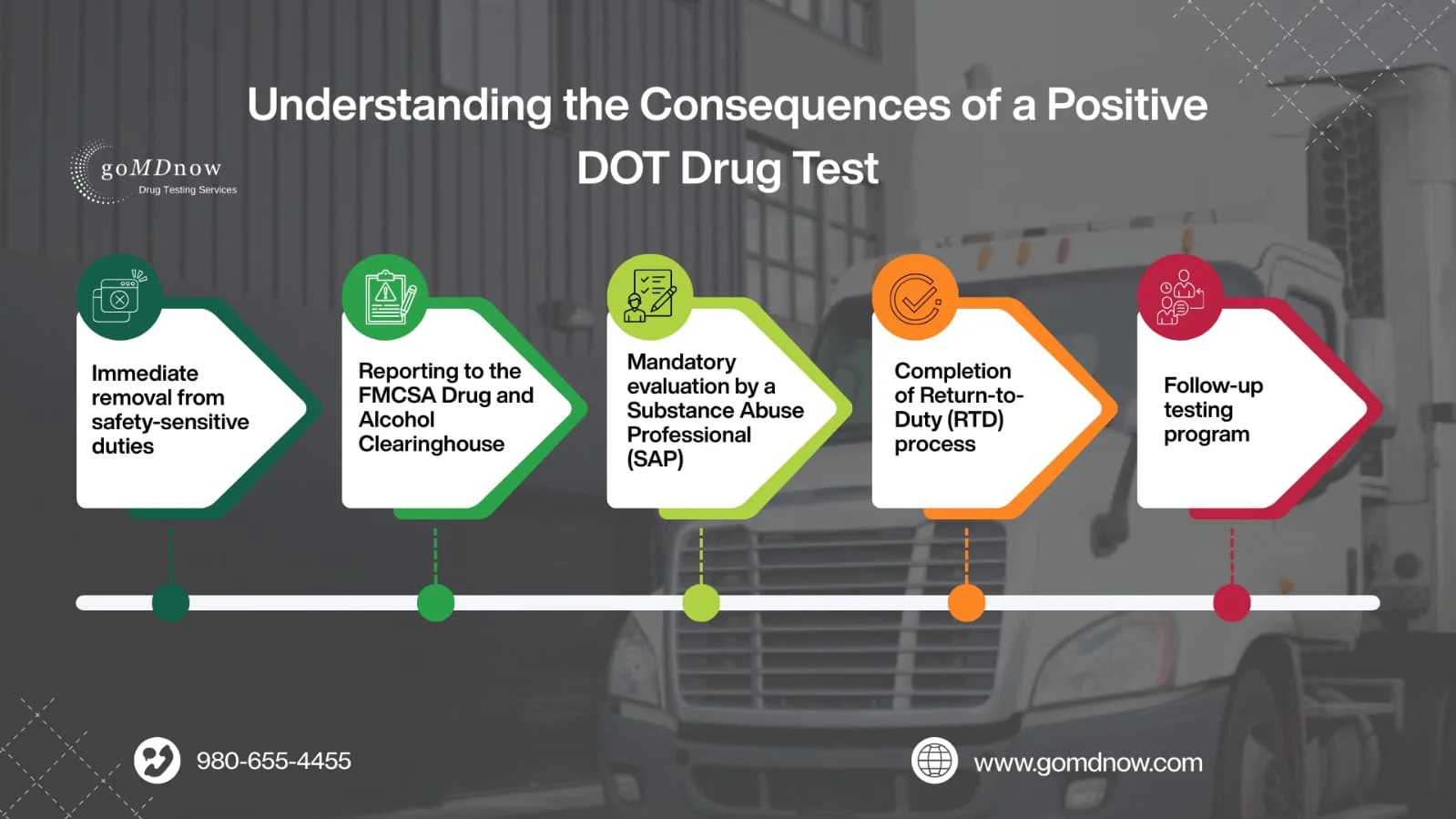
Understanding the Consequences of a Positive DOT Drug Test
If a DOT-regulated employee tests positive:
- Immediate removal from safety-sensitive duties see which employees hold DOT safety-sensitive positions
- Reporting to the FMCSA Drug and Alcohol Clearinghouse learn about the DOT Drug and Alcohol Clearinghouse
- Mandatory evaluation by a Substance Abuse Professional (SAP)
- Completion of the Return-to-Duty (RTD) process
- Follow-up testing program
A positive DOT drug test can result in suspension or loss of a Commercial Driver's License (CDL) if not resolved properly.
Recent FMCSA Enforcement Updates (2024 Compliance Changes)
The Federal Motor Carrier Safety Administration (FMCSA) has strengthened enforcement of drug and alcohol violations through expanded integration with the FMCSA Drug and Alcohol Clearinghouse. Employers should be aware of common DOT Clearinghouse violations and how to stay compliant.
CDL Downgrade Enforcement – Effective November 18, 2024
As of November 18, 2024, State Driver Licensing Agencies (SDLAs) are required to:
- Automatically review Clearinghouse records
- Downgrade a Commercial Driver's License (CDL) if a driver has an unresolved drug or alcohol violation
- Prevent license reinstatement until the Return-to-Duty (RTD) process is fully completed
This means that drivers with a prohibited status in the Clearinghouse can no longer continue operating while violations remain unresolved.
State Driver Licensing Agency (SDLA) Integration
Under the updated rule:
- SDLAs are electronically connected to the Clearinghouse
- Violations are reported in real time
- Drivers must complete the Substance Abuse Professional (SAP) program before CDL privileges are restored
This enforcement update significantly increases accountability and makes compliance with DOT drug testing regulations more critical than ever.
Why This Update Matters for Employers and CDL Drivers
- Employers must conduct mandatory Clearinghouse queries
- Drivers must resolve violations promptly
- Failure to comply can result in automatic CDL downgrade learn about what qualifies as a DOT violation
- Operating with a downgraded CDL can lead to additional penalties
Staying informed about 2024 FMCSA drug testing enforcement changes ensures both employers and drivers remain compliant and avoid costly disruptions.
Common Misconceptions about Drug Test Results
-
"Prescription medications automatically cause a positive."
Not necessarily. The MRO verifies prescriptions before reporting. Also note that certain prescribed medications can still result in a DUI. -
"Drinking lots of water will help."
Dilution can result in invalid results and further testing learn whether stress or diet can affect drug test results. -
"CBD products are safe."
Some CBD products contain trace THC that may trigger a positive test understand the difference between CBD vs. THC and what it means for drug testing.
Best Practices for Employers Interpreting Drug Test Results
- Always rely on the MRO's verified result never independently reinterpret lab data without MRO involvement
- Maintain confidential records in accordance with HIPAA privacy standards
- Follow DOT timelines for reporting consider working with a C/TPA rather than a standalone drug testing clinic for full compliance support
- Update policies regularly review the DOT random drug and alcohol testing policy
- Train supervisors on reasonable suspicion drug testing and compliance procedures
Maintaining a Safe and Compliant Workplace
Accurate drug testing interpretation is critical for:
- DOT compliance
- Reducing workplace accidents
- Protecting public safety
- Minimizing legal exposure
Transportation companies operating under DOT authority must treat drug testing as a structured compliance process not just a routine HR function.
Frequently Asked Questions (FAQs)
1. How long does it take to receive DOT drug test results?
Most negative DOT drug test results are available within 24–72 hours, while positive results may take longer due to MRO verification. Read a detailed breakdown of how long it takes to get drug test results.
2. Can prescription medication cause a positive DOT drug test?
Yes, but a Medical Review Officer (MRO) will verify valid prescriptions before reporting the final result to the employer. Learn more about the difference between opioids and opiates and how each is treated in the testing process.
3. What happens if I refuse a DOT drug test?
A refusal to test is treated as a positive result under DOT regulations and may lead to removal from safety-sensitive duties and Clearinghouse reporting. Review the full consequences of refusing a drug test for more detail.
Final Thoughts
Interpreting drug test results under DOT regulations requires more than simply reading "positive" or "negative." It involves understanding:
- Custody and Control Forms
- Testing panels
- Cutoff levels
- Laboratory confirmation
- MRO verification
- Regulatory consequences
Whether you are a CDL driver, safety-sensitive employee, or employer managing a DOT drug testing program, clarity and compliance are essential.
Maintaining a drug-free workplace starts with accurate drug testing and precise interpretation of results. If you have questions about DOT drug testing, compliance requirements, or result interpretation, our team at goMDnow is available 24/7 to assist you. Contact us today to learn how our professional drug testing services can help you ensure a safe, compliant, and productive work environment. You can also explore our drug testing pricing to get started.